Cleaning · Tracker
"Robot vacuum ban": which models you can still buy in the US
Our verdict
There is no ban on buying or using robot vacuums in the US. As of Oct. 29, 2026, no model is blocked in our tracker. The FCC's July 28, 2026 rule only stops new foreign-produced models from getting FCC authorization unless the Department of War grants a Conditional Approval. Every model the FCC authorized before then can still be imported, sold, used, updated and repaired.
Where does each one stand today?
| Source | ||||
|---|---|---|---|---|
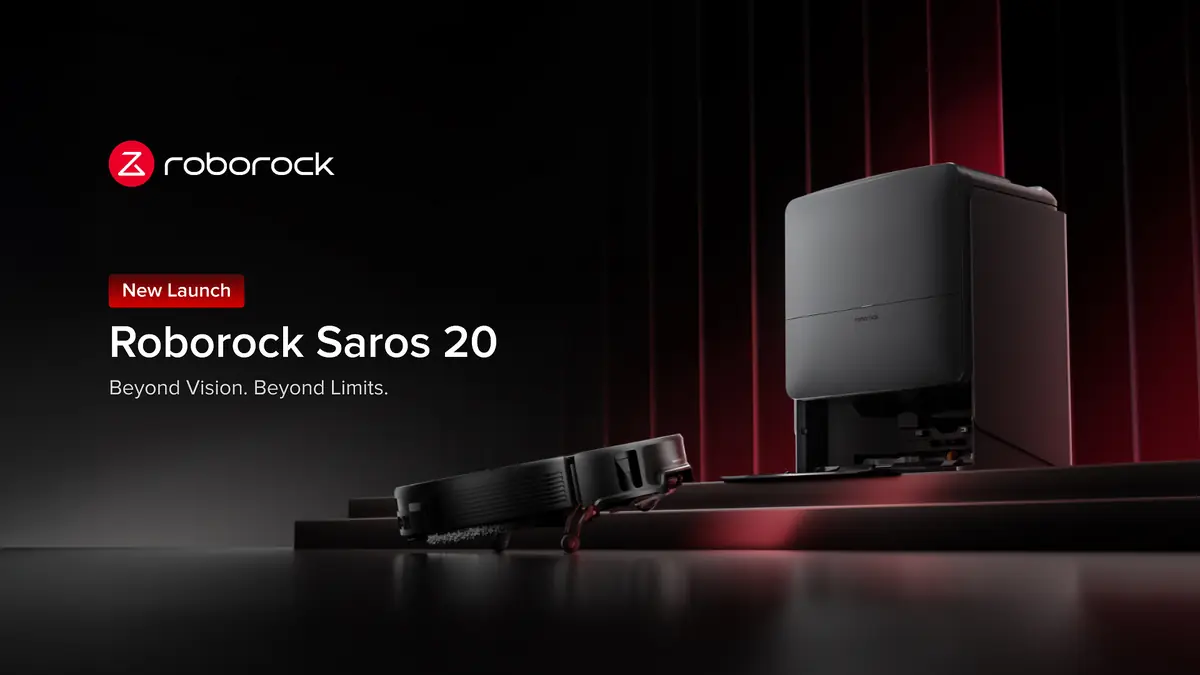
| Roborock Saros 20 | $1,599.99 | Authorized (FCC ID 2AN2O-RRE0CPS01, Dec. 16, 2025) | Model RRE0CPS tied to Saros 20 by Roborock's FCC user manual | Source |
| Narwal Flow 2 | $1,299.99 | Likely authorized (FCC ID 2ARXZYJCC036, Mar. 24, 2026) | Narwal's "Robot Vacuum and Mop" grant; only a third-party manual site ties it to Flow 2 | Source |
| Matic robot vacuum and mop | $1,495 | Conditional Approval (Model 4MA0001, Oct. 2, 2026) | Only floor cleaner with a DoW Conditional Approval; retail version not confirmed | Source |
| Ecovacs Deebot X12 OmniCyclone | $1,499.99 | Not yet matched | On sale at Ecovacs US store | Source |
| Dreame X60 Max Ultra Complete | $1,699.99 | Not yet matched | On sale at Dreame US store | Source |
| iRobot Roomba Max 875 Combo + AutoWash | $1,199.99 | Not yet matched | iRobot's EU declaration lists regulatory model RCO-Y2 | Source |
| Roborock Qrevo CurvX | $749.99 | Not yet matched | On sale at Roborock US store | Source |
"Not yet matched" means we have not tied the retail name to an FCC ID. It does not mean the model lacks authorization. FCC record links go to fccid.io, a public mirror of the FCC database, because the FCC search site blocks automated reads.
No robot vacuum is banned from sale or use in the US. As of Oct. 29, 2026, no model is blocked in our US availability check. The FCC's July 2026 rule affects only new foreign-produced models that have not been authorized yet.
No affiliate links: price links on this page go to brand stores, and we earn nothing from them.
The RobotDoorstep team built this page from the FCC's own documents, FCC equipment records and brand stores, with a source linked for every claim. The rule itself gets two sentences here; the full walk-through is in our FCC rule explainer.
What does the "robot vacuum ban" actually do?
On July 28, 2026 the FCC added "foreign-produced advanced robotic devices, except advanced robotic devices which have been granted a Conditional Approval by DoW" to its Covered List (DA 26-786). In practice, new models built outside the US can't get FCC authorization, which they need to be imported or sold, unless the Department of War grants a Conditional Approval.
The FCC's FAQ (updated Oct. 27, 2026) spells out what does not change: the rule "does not prohibit the import, sale, or use of any existing device models the FCC previously authorized," and "consumers can continue to use the devices they lawfully purchased."
Which robot vacuum brands are affected?
No brand is named. The FCC says "this action is country neutral" and that the nationality of the company making the robot "is not relevant" (FCC FAQ). The test is where the robot is produced. A robot counts as foreign-produced unless it is manufactured in the US and more than 65% of its component cost is domestic (for items delivered 2024 through 2028).
That means any brand's future models can be affected if they are built abroad, including American brands. A brand's existing, already-authorized models are not affected.
A robot vacuum falls under the rule when it moves on its own, weighs over 4.4 lbs together with its dock, and has a sensor, a network connection of at least 200 kbps and navigation software (FCC FAQ). Nearly every app-connected robot vacuum with a dock meets that description.
Which robot vacuums can you still buy?
All of the models in the table were on sale at the brand's US store on Oct. 29, 2026. The FCC column shows what we could match in public FCC records. "Not yet matched" means we have not tied a retail name to an FCC ID; it does not mean the model lacks authorization.
The table above lists each model, its brand-store price and the FCC status we could confirm.
FCC records above are linked through fccid.io, a public mirror of the FCC database, because the FCC's own search site blocks automated reads. You can confirm any ID yourself in the FCC equipment authorization search.
Is it safe to buy a Roborock, Dreame or Ecovacs right now?
From a legal and support standpoint, yes. A model already authorized by the FCC can keep being sold, and the FCC's FAQ says covered devices "can continue to receive basic software and firmware updates to maintain usability" under a waiver. Repairs and identical replacement parts are also allowed.
What the rule can change is the next model. A brand that builds abroad needs a Conditional Approval before it can bring a new robot to the US, so expect fewer brand-new launches and longer gaps between them. That is a reason to buy a current model you like rather than wait for an unannounced one.
Launch date and authorization date are different things. A model can be FCC-authorized months before it reaches stores. The Saros 20, for example, was granted in December 2025.
What should you do if you already own a robot vacuum?
Keep using it. Asked whether there are any restrictions on consumers' ability to use these devices, the FCC's answer is one word: "No" (FCC FAQ).
Three practical steps:
- Write down the FCC ID from the label under the robot. It is the fastest way to check status or find the right parts later.
- Keep firmware current. Updates are allowed under the FCC waiver. Owner threads do show that updates sometimes cause problems (see the Saros 20 guide), so check the brand's forum before installing on day one.
- Buy spare parts you'll need anyway. Bags, filters, brushes and mop pads aren't covered by the rule; the FCC's FAQ says identical replacement parts are fine.
Can you import a robot vacuum from overseas?
Not a model that lacks FCC authorization. The FCC says that for covered robots without an FCC equipment authorization, the general answer to "can I operate it here" is "no" (FCC FAQ). Models already authorized for the US are not restricted.
How do you check whether a specific model is authorized?
Find the FCC ID on the label or in the manual, then search it in the FCC equipment authorization database. The FCC says "any device with a valid FCC ID or SDoC compliance information is considered authorized." For a quick read of what we have already matched, use our US availability check.
Our verdict
Buy now if a current model fits your home. Authorized models stay legal to sell and use, and they keep getting updates. Our Florida picks and tile mop picks are all on sale at US brand stores today.
Wait if you were holding out for a specific unannounced model from a brand that builds abroad. Its US launch now depends on a Conditional Approval, and there is no public timeline.
Frequently asked questions
Is there a robot vacuum ban in the US?
No. The FCC added new foreign-produced advanced robotic devices to its Covered List on July 28, 2026, which blocks new FCC authorizations for them unless they get a Conditional Approval. The FCC's FAQ says this does not prohibit the import, sale or use of existing models it previously authorized.
Will my Roborock, Dreame, Ecovacs, Narwal or Roomba stop working?
No. Asked whether there are any restrictions on consumers' ability to use these devices, the FCC's FAQ answers "No." It also says covered devices can keep receiving basic software and firmware updates under a waiver, and that repairs with identical parts are allowed.
Are Chinese robot vacuums banned?
No brand or country is named. The FCC calls the action "country neutral" and says the nationality of the maker "is not relevant." What matters is where a robot is produced and whether the model was authorized before July 28, 2026.
Which robot vacuum has a Conditional Approval?
As of the FCC notices we read (through Oct. 23, 2026), the only floor cleaner is Matic Robots' Robotic Floor Cleaner Model 4MA0001 with Charging Dock Model 4DK0008, approved Oct. 2, 2026 in DA 26-1063.
How do I check a robot vacuum's FCC ID?
Look for the FCC ID on the label under the robot or on the box, then search it in the FCC's equipment authorization database. The FCC says any device with a valid FCC ID or Supplier's Declaration of Conformity information counts as authorized.
Sources
- FCC Public Notice DA 26-786 (July 28, 2026) (seen 2026-10-29)
- FCC FAQ on robots and inverters (page updated Oct. 27, 2026) (seen 2026-10-29)
- FCC Public Notice DA 26-1063 (Matic Robots Conditional Approval, Oct. 2, 2026) (seen 2026-10-29)
- FCC equipment authorization search (seen 2026-10-29)
- FCC Covered List (seen 2026-10-29)
- Roborock US: Saros 20 product page (seen 2026-10-29)
- FCC ID 2AN2O-RRE0CPS01 (fccid.io mirror of FCC record) (seen 2026-10-29)
- Roborock Saros 20 FCC user manual (model RRE0CPS) (seen 2026-10-29)
- FCC ID 2ARXZYJCC036 (fccid.io mirror of FCC record) (seen 2026-10-29)
- Matic: price on maticrobots.com (seen 2026-10-29)
- Narwal US store: Narwal Flow 2 price (seen 2026-10-29)
- Ecovacs US store: Ecovacs Deebot X12 OmniCyclone price (seen 2026-10-29)
- Dreame US store: Dreame X60 Max Ultra Complete price (seen 2026-10-29)
- iRobot US store: iRobot Roomba Max 875 Combo + AutoWash Dock price (seen 2026-10-29)
- Roborock US store: Roborock Qrevo CurvX price (seen 2026-10-29)